
Monsoon Rains to Bring Possible Floods to Western Luzon
La Union and neighboring Ilocos provinces should prepare for scattered rains and thunderstorms
AI Generated Illustration
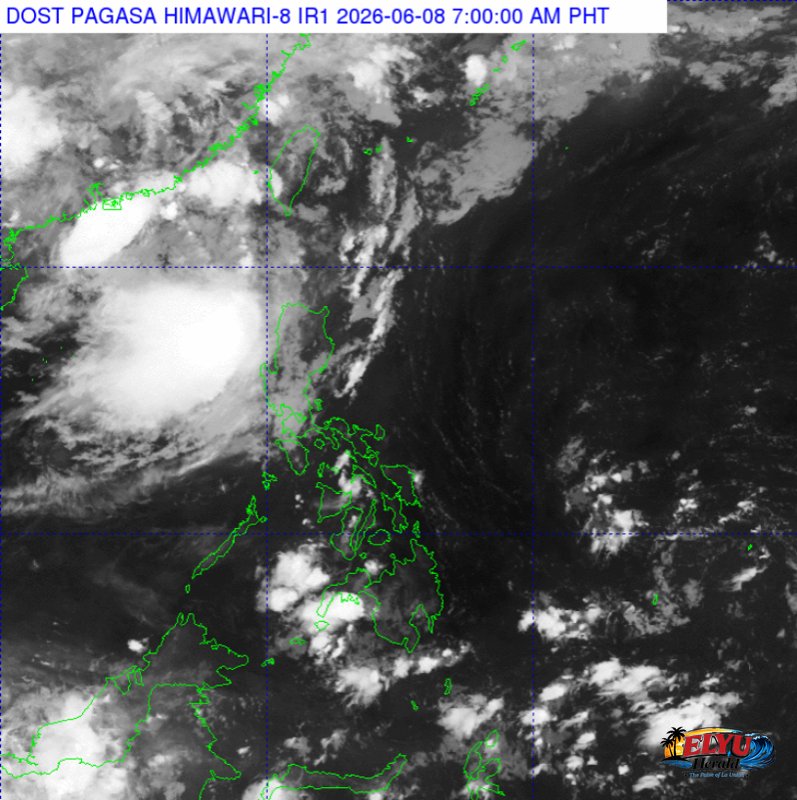
According to PAGASA in its weather bulletin issued at 4:00 AM on June 8, 2026, the Southwest Monsoon is still currently affecting the western sections of Northern and Central Luzon, bringing cloudy skies, scattered rains, and thunderstorms to the Ilocos Region and Zambales. The weather bureau warned that moderate to heavy rains could trigger flash floods or landslides in these affected areas.
For residents in La Union, including coastal communities in San Juan, Bauang, and the capital city of San Fernando, this weather pattern means preparing for sudden downpours. Take an umbrella or raincoat when leaving home for a prolonged period. Local disaster risk reduction offices are advised to monitor low-lying and landslide-prone areas as the monsoon, locally known as the Habagat, persists.
The weather bureau reported that coastal waters across the region will experience light to moderate waves ranging from 0.6 to 1.5 meters. Fisherfolk and small seacraft operators in La Union are urged to remain cautious, as winds blowing from the southeast to southwest will reach light to moderate speeds.
In the agricultural sector, the PAGASA farm weather forecast indicates that lowland areas in the Ilocos Region will experience temperatures between 24°C and 32°C. Upland areas can expect slightly cooler conditions, ranging from 22°C to 31°C.
Relative humidity levels in the region are expected to remain high, fluctuating between 50% and 98%. Despite the wet conditions and high humidity, the soil moisture monitor indicates that the ground in the Ilocos Region remains generally dry, though leaf wetness levels—which measure how long water stays on crop leaves—are expected to stay between 4 and 8.
For farmers in La Union, the combination of high humidity and scattered rains requires close monitoring of crops. Prolonged moisture on leaves can influence the spread of plant diseases, making regular field inspections necessary during this monsoon period.
Meanwhile, Metro Manila and the rest of the country will experience better weather, with only partly cloudy to cloudy skies and isolated rainshowers or thunderstorms caused by localized weather systems.
As of press time, PAGASA has not issued any heavy rainfall warnings for the province. However, local authorities continue to advise the public to stay alert for sudden weather changes and localized thunderstorms.
SOURCE: PAGASA